



TriBeCa NYC — Complete Guide to Living & Buying
By: Michael Comandini | The Aethetic Broker | mc@comandinire.com
Updated: March 2026
I've sold in nearly every corner of Manhattan, and TriBeCa is the neighborhood that makes me pause mid-showing. Not because of the price tag — though that's certainly there — but because of the feeling . Stepping out of the elevator into a 3,000-square-foot converted warehouse loft with 14-foot ceilings and original cast-iron columns just hit different. This isn't just a home — It's a statement.
Overview & Vibe
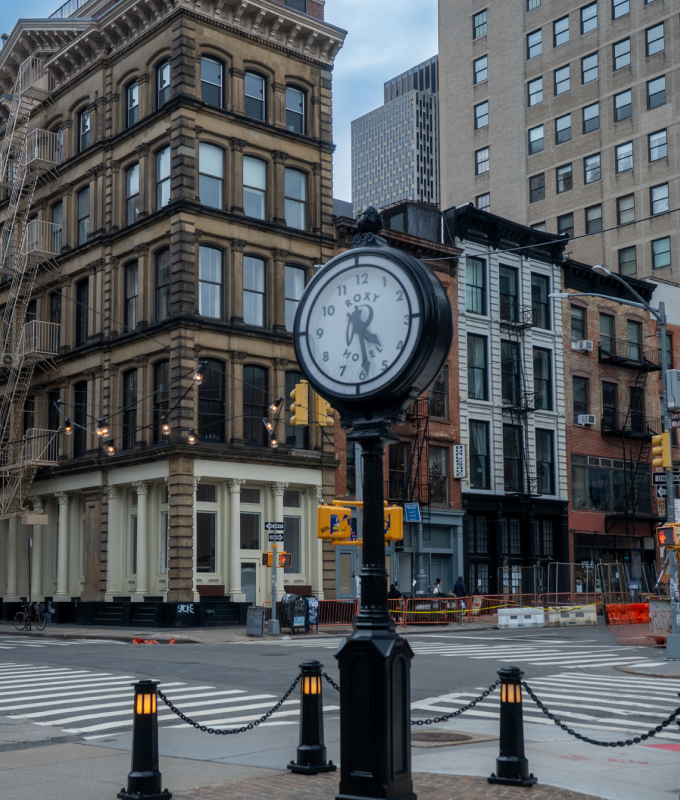
TriBeCa — the **Tri**angle **Be**low **Ca**nal Street — sits between Canal Street to the north, Vesey Street to the south, Broadway to the east, and the Hudson River to the west. It's one of the most expensive residential neighborhoods in America, and somehow one of the most understated. No flashy storefronts competing for attention. No velvet ropes. Just cobblestone streets, massive loft windows catching the late-afternoon light, and the quiet confidence of people who don't need to prove anything.
Living in TriBeCa feels nothing like living on the Upper East Side or in Hudson Yards. Those neighborhoods announce themselves. TriBeCa whispers. The ultra-wealthy families pushing strollers down Greenwich Street at 10 a.m. on a Tuesday aren't performing wealth — they're just living. That's the vibe. Relaxed affluence. Old New York bones with new-money polish.
Tribeca, “the place where those who can afford to live anywhere prefer to be,” according to The Observer.
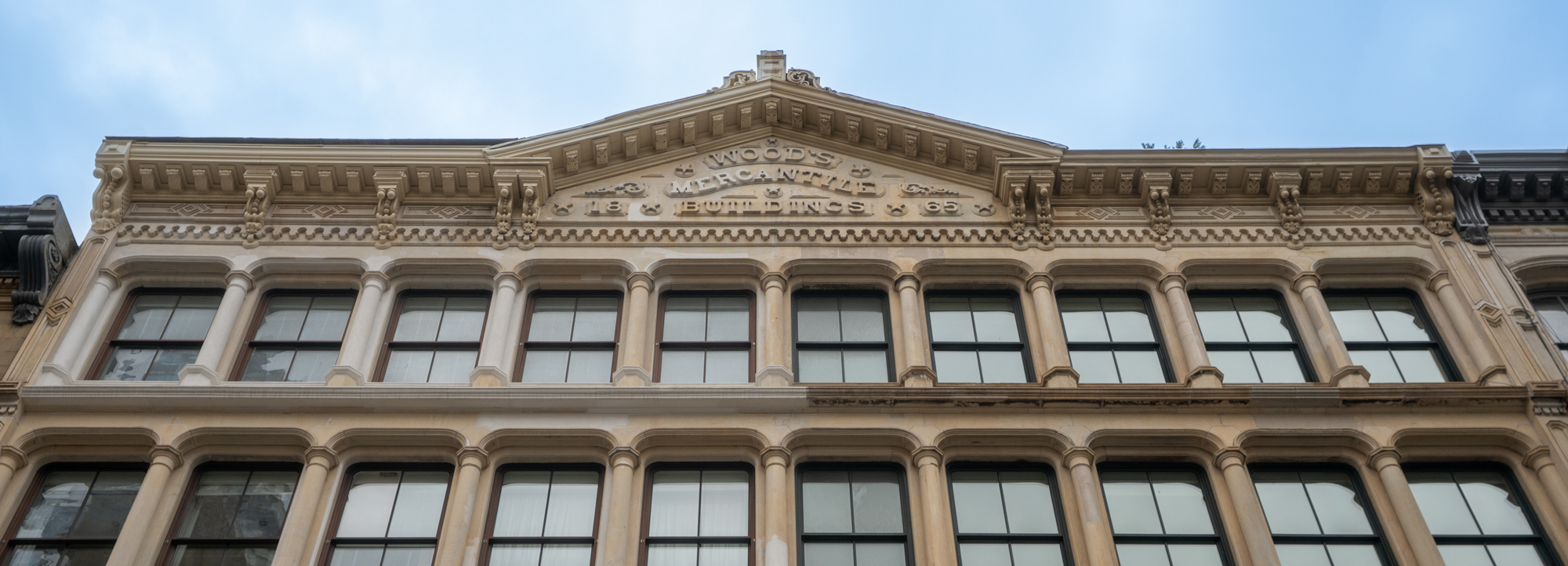
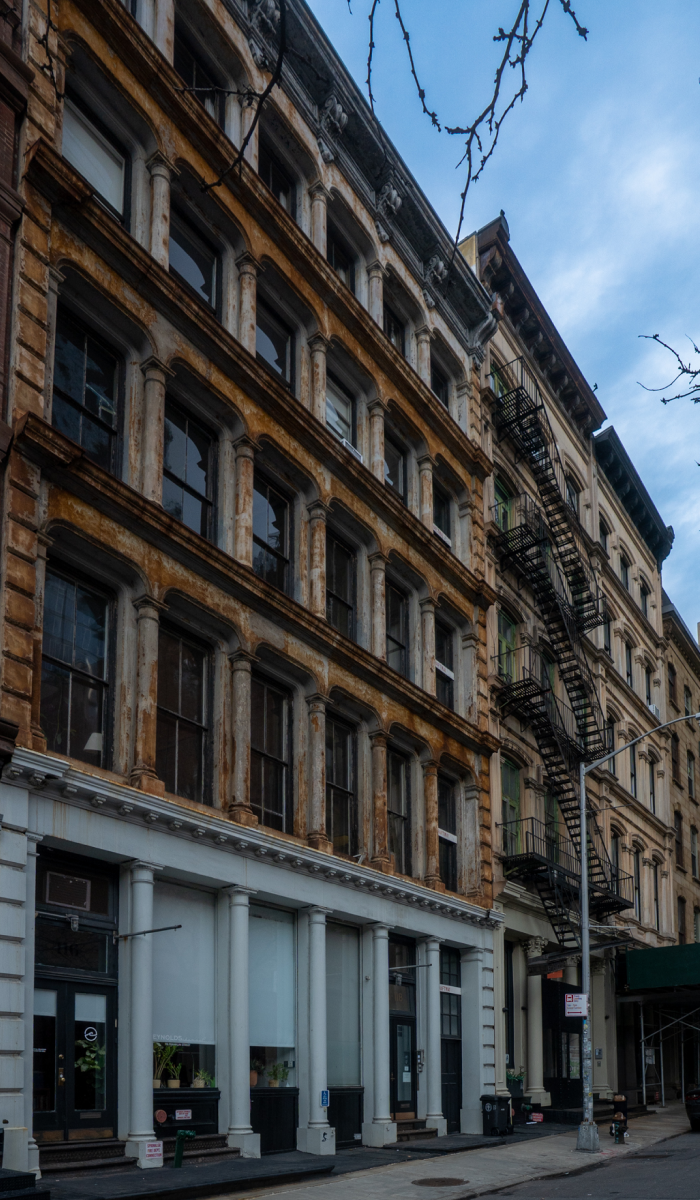
The neighborhood is a landmarked historic district, which means those gorgeous 19th-century warehouse facades aren't going anywhere. Behind them, you'll find some of the most spectacular residential spaces in the city — soaring ceilings, oversized windows, open floor plans that were built for artists and now house hedge fund managers, A-list actors, and tech founders. Celebrity residents have included everyone from Beyoncé and Jay-Z to Taylor Swift, Ryan Reynolds, and, of course, the neighborhood's godfather, Robert De Niro.
If you're coming from SoHo , TriBeCa feels like its quieter, more residential sibling. If you're coming from the Financial District , it feels like an entirely different city.
TriBeCa Real Estate (2026)
Here's the unfiltered picture of TriBeCa nyc real estate in 2026, because this is a market that rewards informed buyers and punishes the casual. Median Condo Sale Price: ~$3.5–4.2 million.
Median Price Per Square Foot: $1,800–$2,200/sqft for resale; $2,500+ for new development.
Average apartment size: 2,127 sqft — the largest average floor plans in Manhattan.
Median Co-op Sale Price: ~$1.5–2.2 million (significantly fewer co-op options).
Median Rental (2BR) : $7,500–$10,000+/month. TriBeCa has always been expensive, but 2025 has shown a market that's stabilized after the post-pandemic surge. Inventory remains tight. Buyers looking for TriBeCa lofts for sale will find that the best units — the authentic, pre-war converted warehouse lofts with original details — trade rarely and command premiums well above comps.
Looking to call TriBeCa home?
I've been selling in this neighborhood for over a decade, and know these buildings inside and out — literally.
[Let's talk →]
My Favorite TriBeca Streets
Every broker has their streets. These are mine. Harrison Street — The row of Federal-style townhouses on Harrison between Greenwich and Hudson is one of the most photographed blocks in TriBeCa. These homes were actually relocated here in the 1970s to save them from demolition. Walking this block at dusk, with the old gas-style lanterns and the cobblestones underfoot, you could be in 1820.
Duane Street — Less famous, which is exactly the point. Duane between Greenwich and Hudson has that perfect TriBeCa ratio: quiet residential feel, beautiful building stock, walking distance to everything but insulated from the noise. Some of my favorite loft conversions sit on this stretch.
Greenwich Street — The neighborhood's main artery for dining and daily life. This is where you'll find Locanda Verde, The Greenwich Hotel, and a parade of well-dressed families on weekend mornings. It's TriBeCa at its most vibrant without ever feeling hectic.
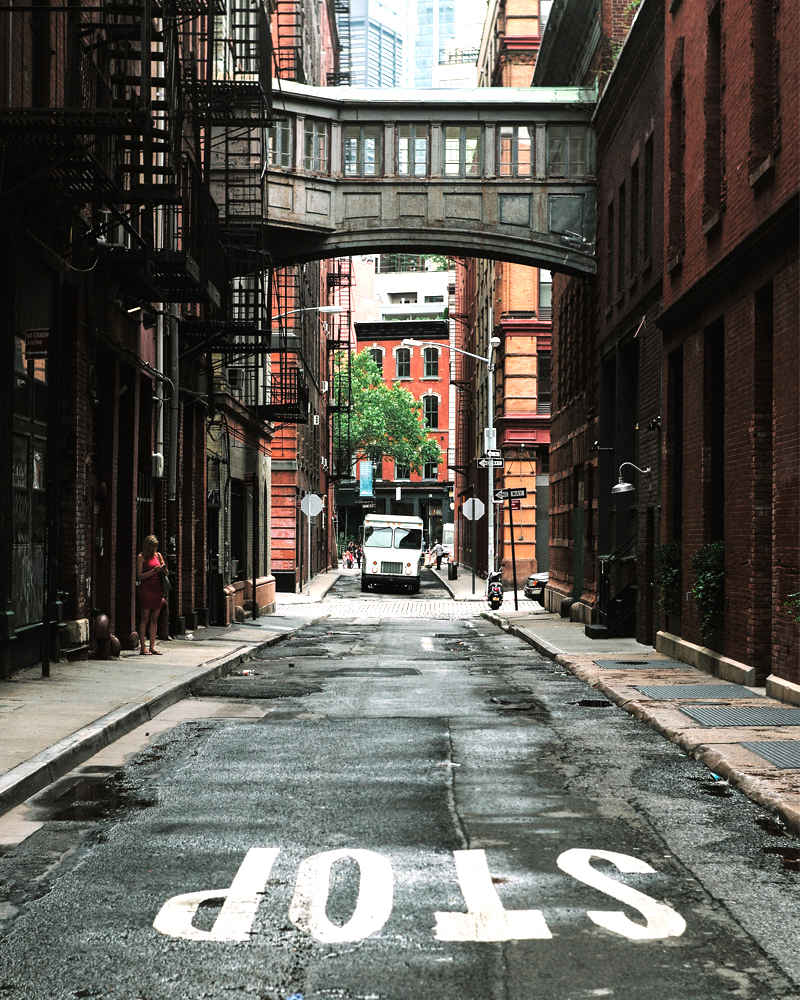
Staple Street — A one-block alley between Duane and Jay Streets connected by a covered skybridge. It's one of the most atmospheric spots in all of Manhattan. I've brought clients here just to make a point: *this* is what TriBeCa sells. Not square footage. Not amenities. A feeling.
North Moore Street — Wider, sunnier, with some of the neighborhood's largest lofts. The Hook & Ladder 8 firehouse (yes, the Ghostbusters firehouse) is here. So are some spectacular penthouses. — The neighborhood's main artery for dining and daily life. This is where you'll find Locanda Verde, The Greenwich Hotel, and a parade of well-dressed families on weekend mornings. It's TriBeCa at its most vibrant without ever feeling hectic.