



Chinatown NYC — Complete Guide to Living & Buying
By: Michael Comandini | The Aesthetic Broker | mc@comandinire.com
Updated March 2026
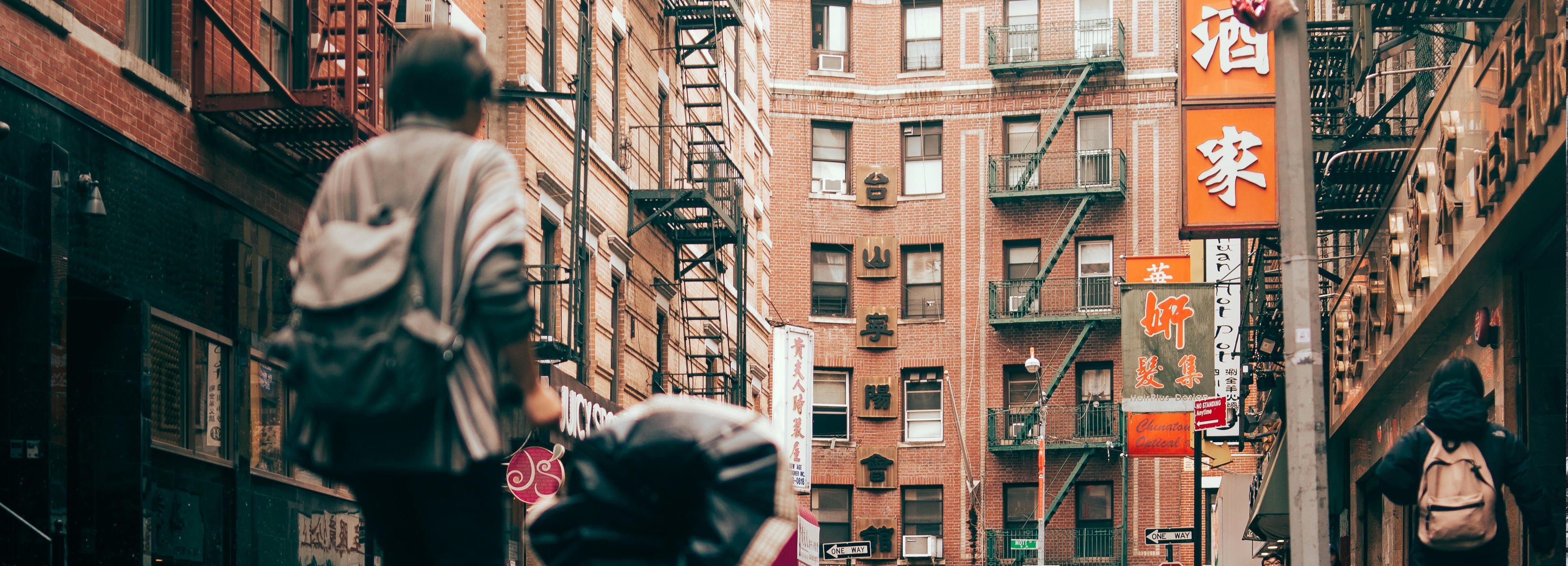
The smells from the bakeries on Mott Street, the energy of Canal Street at 8 AM, the quiet reverence of Doyers Street before the tourists arrive. I've been selling real estate in lower Manhattan for 15 years, and I'll tell you something most brokers won't: Chinatown is the single best value play left below 14th Street.
Overview & Vibe
Chinatown is raw, authentic, and unapologetically itself. In an era where every Manhattan neighborhood is racing toward homogeneity — the same coffee shops, the same boutique fitness studios, the same reclaimed-wood everything — Chinatown has held the line. That's not an accident. It's the product of a tight-knit community that has been here for over 150 years and isn't going anywhere.
The boundaries are loose, as they tend to be in New York. Roughly: Canal Street to the north, the Bowery and East Broadway to the east, Worth Street to the south, and Centre Street to the west. There's meaningful overlap with the Two Bridges area along the waterfront and with the Lower East Side to the northeast. To the west, you're brushing up against SoHo and TriBeCa . To the south, the Financial District is a 10-minute walk.

Sensory Overload — In The Best Way.
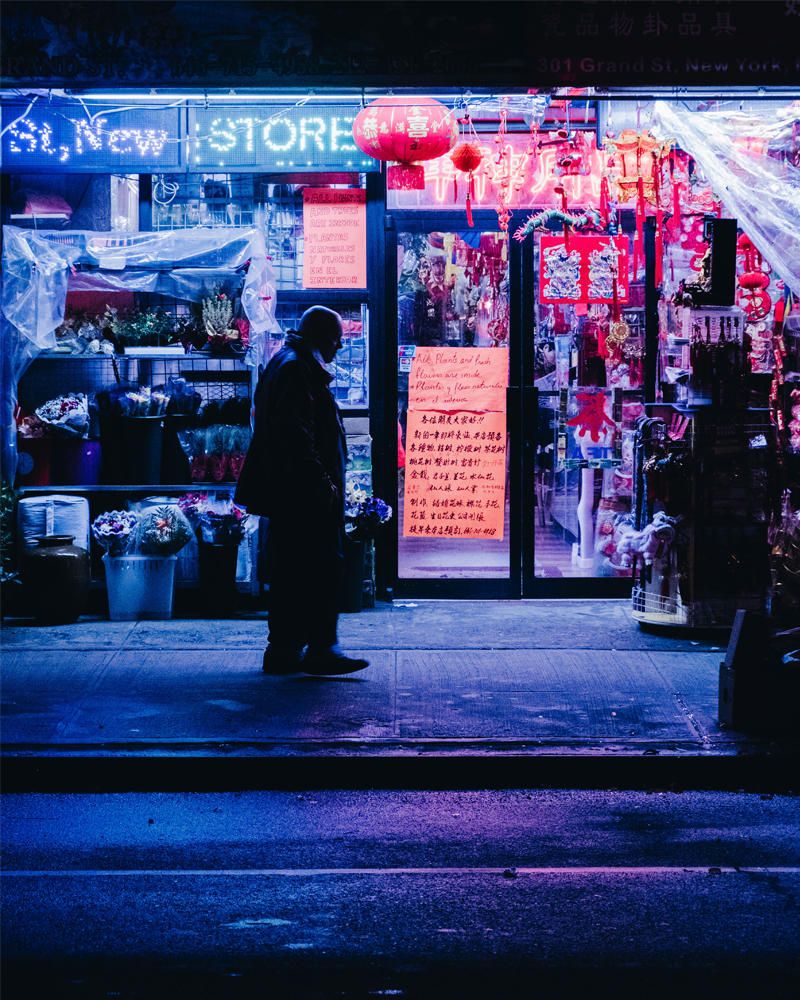
Fish markets spilling onto sidewalks. Elderly residents doing tai chi in Columbus Park at dawn. Produce stalls selling lychees for a fraction of what Whole Foods charges. Red lanterns strung across Mott Street. It's one of the most visually and culturally rich neighborhoods in the entire city, and living here means you never take it for granted.
Gentrification is real and it's pressing in from every direction — the LES, SoHo, the Financial District. But Chinatown's density of community organizations, family-owned businesses, and stabilized housing has created a resilience that other neighborhoods lost decades ago. You're not moving into a "transitional" neighborhood. You're moving into one of Manhattan's most established ones.
Real Estate Market
Here's where it gets interesting. Chinatown real estate is unlike anything else in lower Manhattan, and understanding the market requires throwing out most of your assumptions.
The Numbers (2026)
Co-ops (the majority of inventory): $400–$700 per square foot.
- Studios from $250K–$400K.
- One Bedrooms from $375K–$600K.
- Two Bedrooms from $500K–$850K.
Condos (limited supply): $900–$1,400 per square foot.
- One-bedrooms from $650K–$950K.
- Two-bedrooms from $900K–$1.5M.
Rentals
- Studios $1,800–$2,500/month.
- One Bedrooms $2,200–$3,200/month.
- Two Bedrooms $2,800–$4,500/month.
Ready to call the Chinatown home?
I'd love to show you around.
[Let's talk →]